


Data Disrupts Corruption
Document leaks, big data, and open government are reviving the fight against global graft.

Document leaks, big data, and open government are reviving the fight against global graft.
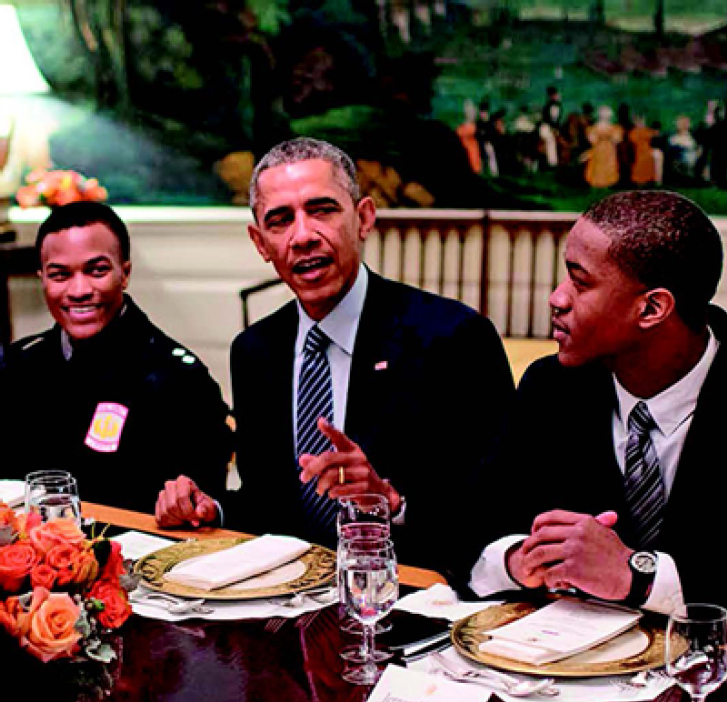
President Obama experimented with radically new ways of maximizing the impact of social programs.
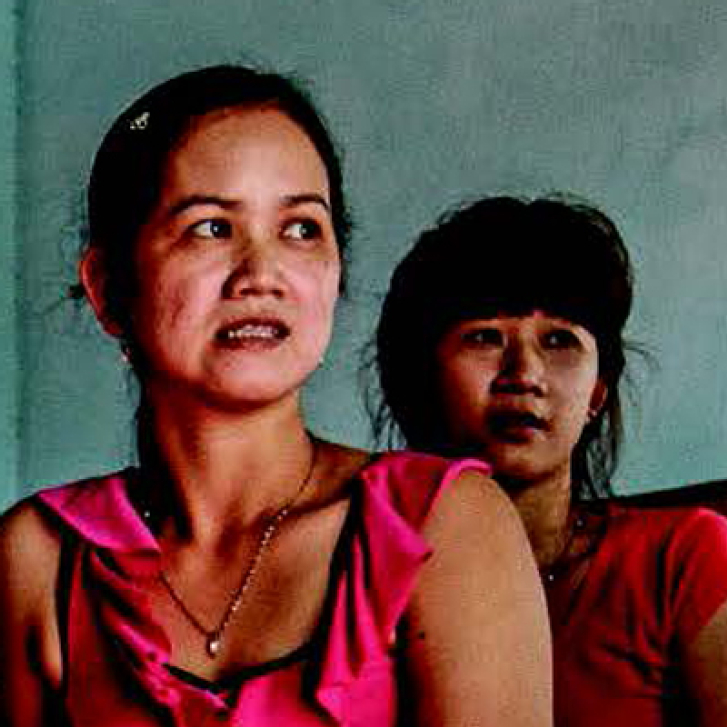
iCare is enabling Southeast Asian workers to purchase the basic goods of middle-class life without falling into debt.
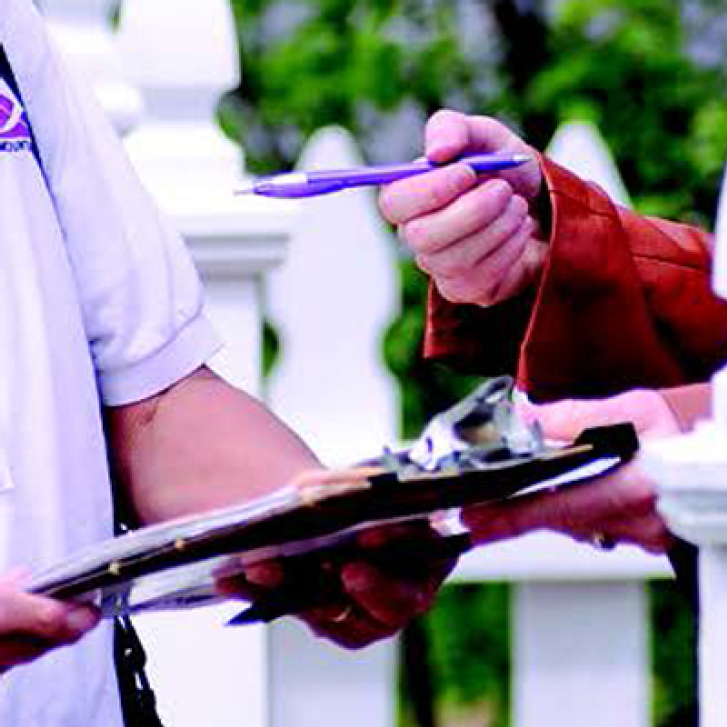
The Contributor Development Partnership is revitalizing public broadcasting with a fundraising model that can help other large nonprofits with local affiliates.
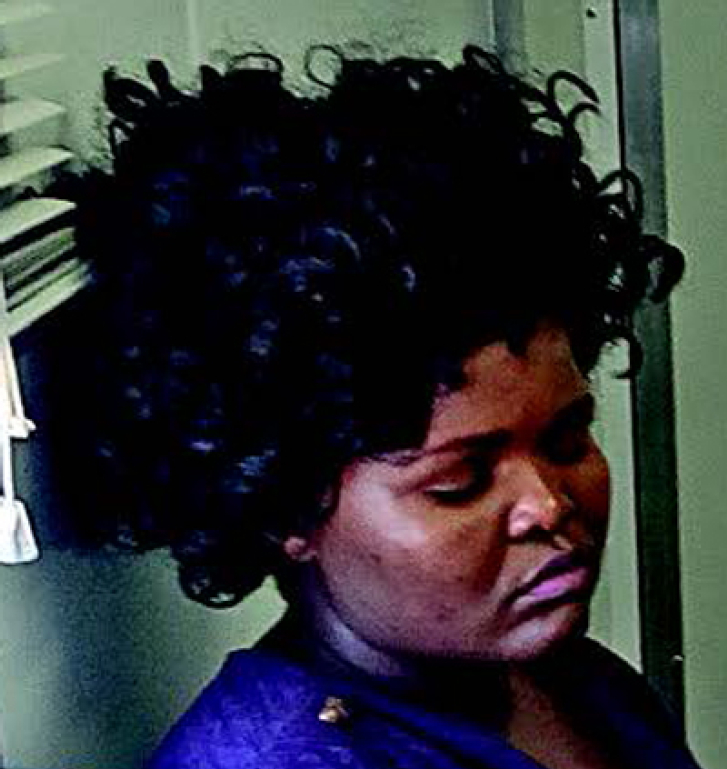
South Africa’s Unjani Non Profit Corporation is boosting community health by helping nurses launch their own clinics.
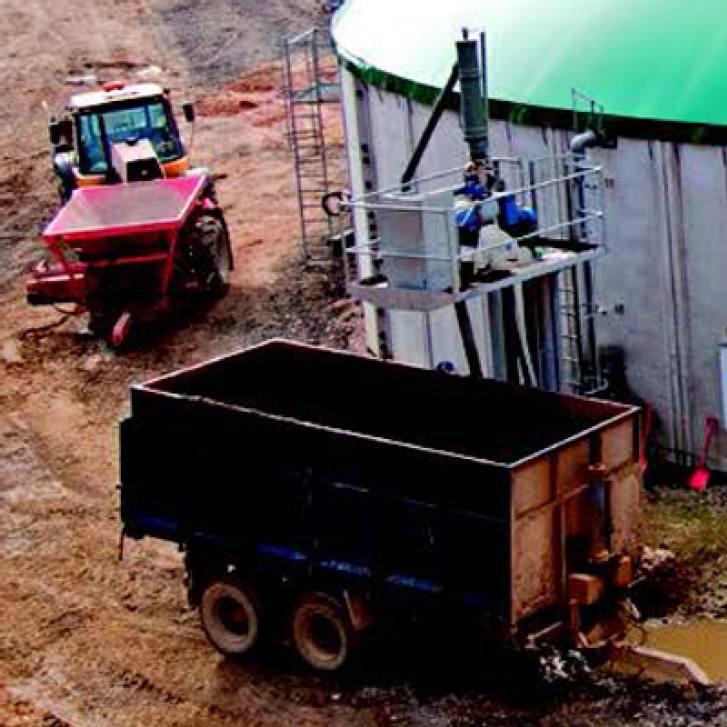
A British entrepreneur hopes that by transforming food waste into biogas, his plant can help a community gain a sense of local environmental stewardship.
A new, bipartisan curriculum aims to help US students make sense of a highly polarized country.
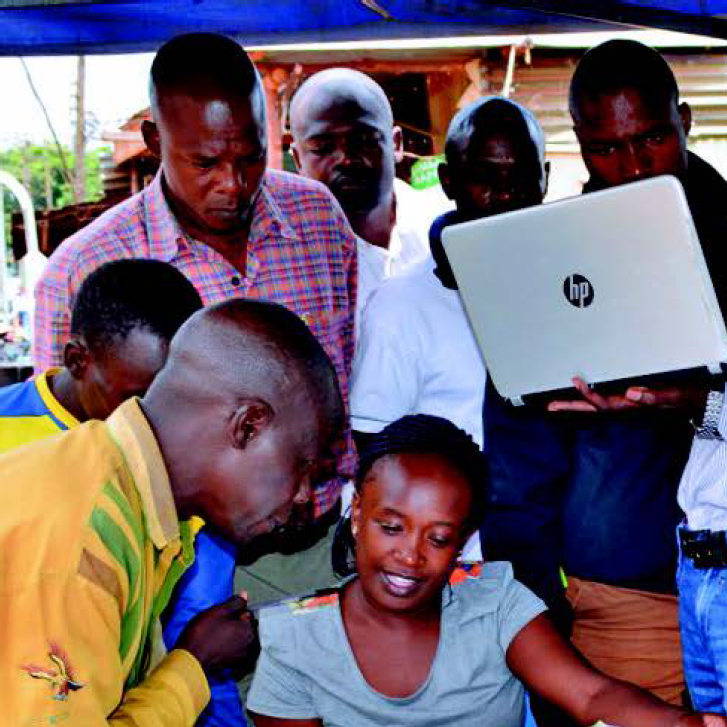
New platforms are using crowdsourcing and open-source technology to challenge Google’s dominance over how we see the world.
Top-down development doesn't work. What's needed is a "pull model" created by locals, funders, and government agencies working together as equals.
How Jaipur Living developed a global rug business, one weaver at a time, and lifted thousands out of poverty.